

How Database Encryption and DAM Protect Sensitive Financial Data
The Banking, Financial Services, and Insurance (BFSI) sector manages some of the most sensitive and valuable data in the digital economy, from customer identities and account details to high-volume financial transactions. As financial services continue to rapidly digitize, protecting this data has become a strategic priority for organizations worldwide. Cybercriminals increasingly target financial databases because they store high-value information that can be exploited for fraud, identity theft, and financial gain.

In fact, the global cybersecurity market in the BFSI sector is projected to grow by over USD 56 billion between 2025 and 2030, driven by rising cyber threats, regulatory pressures, and the increasing adoption of digital banking services. 

(Source: Technavio – BFSI Security Market Analysis)

To address these evolving risks, financial institutions are adopting data-centric security strategies that go beyond traditional perimeter defences. Technologies such as Database Encryption and Database Activity Monitoring (DAM) play a critical role in protecting sensitive financial data, ensuring regulatory compliance, and providing real-time visibility into how critical databases are accessed and used.

Why Data Protection Is Critical in BFSI

Financial institutions face significant risks if sensitive data is compromised. A data breach can result in financial losses, regulatory penalties, reputational damage, and loss of customer trust. In the BFSI sector, where digital transactions and data exchanges are constant, securing sensitive information across databases is essential to maintaining operational integrity. 

Regulatory frameworks such as PCI DSS, GDPR, and regional banking regulations require organizations to implement strong controls to protect customer data. Encryption and monitoring technologies play a key role in helping institutions comply with these requirements while reducing the risk of unauthorized data access.

The Role of Database Encryption in Financial Security

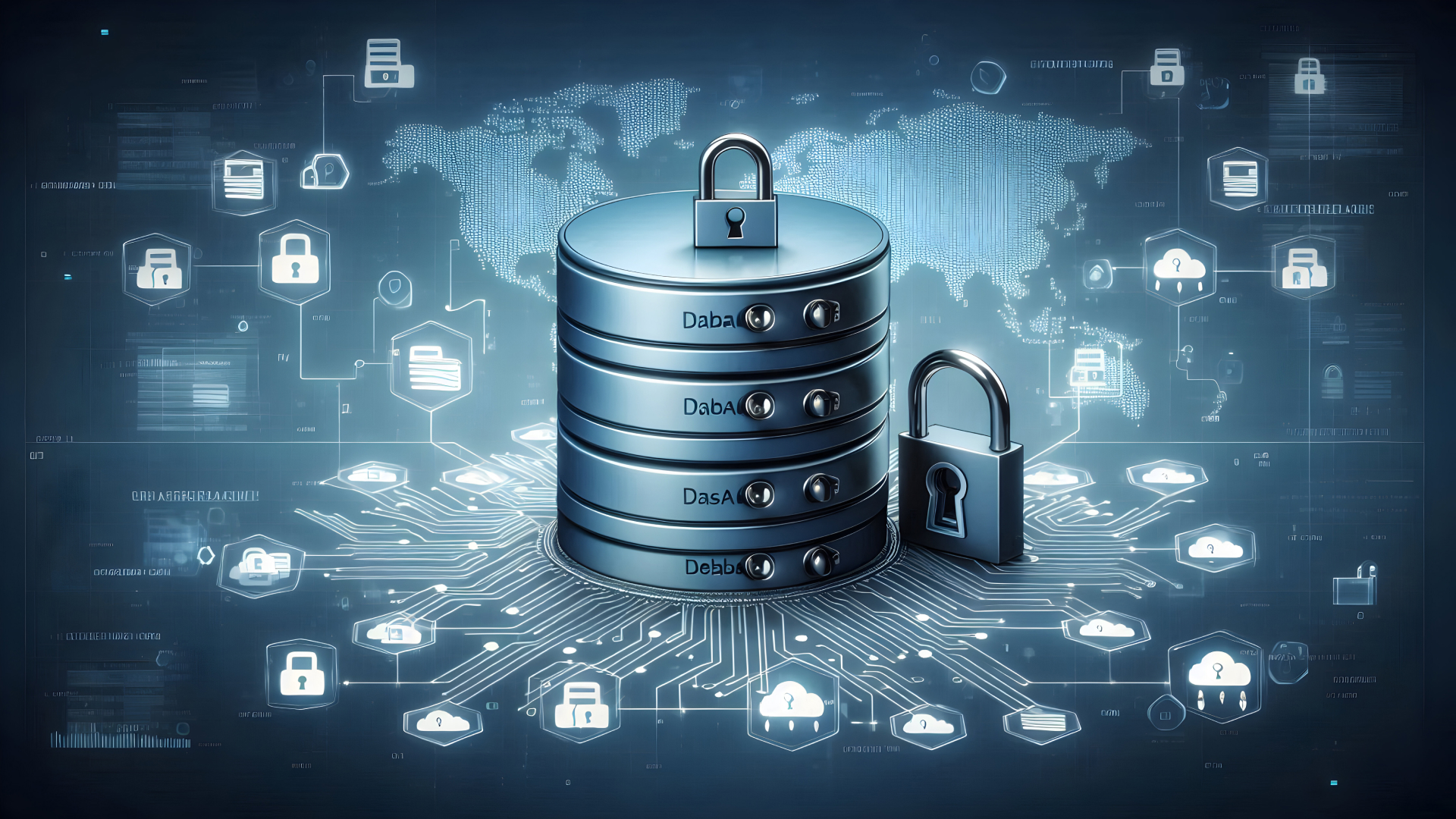
Database encryption converts sensitive information into unreadable ciphertext that can only be accessed by authorized users with the correct decryption keys. This ensures that even if attackers gain access to the database, the data remains protected.

In the BFSI sector, encryption is commonly applied to protect critical fields such as:

  • Account numbers
  • Credit card details
  • Personal identification information (PII)
  • Transaction data

Techniques such as column-level encryption allow organizations to secure specific high-risk fields without encrypting the entire database, minimizing performance impact while protecting sensitive information. 

Beyond protecting data from external attackers, encryption also strengthens internal data governance, ensuring that only authorized systems or personnel can access sensitive financial records.

What is Database Activity Monitoring (DAM)?

Encryption plays a critical role in protecting sensitive data, whether it is stored or in transit. However, protection alone is no longer enough. Organizations also need clear visibility into how data is being accessed and used in real time. This is where Database Activity Monitoring, or DAM, becomes essential.

DAM provides continuous visibility into database activity, enabling organizations to monitor and analyse interactions as they happen. It helps answer critical questions around who is accessing data, what actions are being performed, and whether those actions align with expected behaviour.

With DAM, organizations can track:

  • Data access requests and queries
  • Administrative activities
  • Data changes or deletions
  • Unusual or unauthorized behaviour

This level of insight allows security teams to identify risks early, respond faster, and maintain strong alignment with regulatory and audit requirements.
In a business landscape where data is both a strategic asset and a potential risk, DAM enables a more proactive and intelligence-driven approach to data protection.

Why BFSI Institutions Need DAM

Financial organizations face threats not only from external cybercriminals but also from insider risks and compromised credentials. DAM helps address these challenges by enabling:

  • Real-Time Threat Detection

By continuously monitoring database activities, DAM tools can identify abnormal behaviours such as unusual queries, privilege escalation attempts, or large-scale data extraction.

  • Insider Threat Protection

Privileged users such as database administrators often have extensive access to sensitive information. DAM provides oversight of privileged activities to prevent misuse or unauthorized access.

  • Regulatory Compliance

Financial institutions must maintain audit trails of data access and modifications. DAM solutions provide detailed logs and reporting capabilities to support regulatory compliance.

  • Faster Incident Response

With real-time alerts and visibility, organizations can quickly investigate suspicious activities and respond to potential breaches before they escalate.

Combining Encryption and DAM for Stronger Security

While encryption protects data from unauthorized exposure, it does not provide visibility into how the data is used. Similarly, monitoring alone cannot protect data if it is stored in plaintext. A strong security strategy requires both encryption and activity monitoring working together.

When combined, these technologies provide:

  • End-to-end data protection
  • Visibility into database access
  • Proactive threat detection
  • Enhanced regulatory compliance

This layered approach ensures that financial institutions not only secure their data but also maintain continuous oversight of how that data is accessed and used.

The Future of Data Security in BFSI

As financial ecosystems become increasingly digital, organizations must adopt advanced data protection strategies to address emerging threats. Technologies such as AI-driven threat detection, advanced encryption models, and automated monitoring are shaping the future of database security.

For BFSI organizations, protecting sensitive financial data is not just a regulatory requirement; it is essential to maintaining trust in the digital economy.

Enabling Secure Data Protection with Intertec

At Intertec, we help financial institutions strengthen their cybersecurity posture through advanced data protection strategies, database security solutions, and real-time monitoring capabilities. By combining encryption technologies, database monitoring, and integrated cybersecurity frameworks, organizations can build resilient security architectures that protect critical financial data while ensuring compliance with evolving regulations.

As cyber threats continue to evolve, adopting database encryption and activity monitoring is no longer optional it is a fundamental step toward safeguarding the future of financial services


Thank you! Your submission has been received!
Oops! Something went wrong while submitting the form.
Related Topics

Cloud

Technology

AI & ML

Data Science

Hacking

How Database Encryption and DAM Protect Sensitive Financial Data

Published:
July 16, 2025

The Banking, Financial Services, and Insurance (BFSI) sector manages some of the most sensitive and valuable data in the digital economy, from customer identities and account details to high-volume financial transactions. As financial services continue to rapidly digitize, protecting this data has become a strategic priority for organizations worldwide. Cybercriminals increasingly target financial databases because they store high-value information that can be exploited for fraud, identity theft, and financial gain.

In fact, the global cybersecurity market in the BFSI sector is projected to grow by over USD 56 billion between 2025 and 2030, driven by rising cyber threats, regulatory pressures, and the increasing adoption of digital banking services. 

(Source: Technavio – BFSI Security Market Analysis)

To address these evolving risks, financial institutions are adopting data-centric security strategies that go beyond traditional perimeter defences. Technologies such as Database Encryption and Database Activity Monitoring (DAM) play a critical role in protecting sensitive financial data, ensuring regulatory compliance, and providing real-time visibility into how critical databases are accessed and used.

Why Data Protection Is Critical in BFSI

Financial institutions face significant risks if sensitive data is compromised. A data breach can result in financial losses, regulatory penalties, reputational damage, and loss of customer trust. In the BFSI sector, where digital transactions and data exchanges are constant, securing sensitive information across databases is essential to maintaining operational integrity. 

Regulatory frameworks such as PCI DSS, GDPR, and regional banking regulations require organizations to implement strong controls to protect customer data. Encryption and monitoring technologies play a key role in helping institutions comply with these requirements while reducing the risk of unauthorized data access.

The Role of Database Encryption in Financial Security

Database encryption converts sensitive information into unreadable ciphertext that can only be accessed by authorized users with the correct decryption keys. This ensures that even if attackers gain access to the database, the data remains protected.

In the BFSI sector, encryption is commonly applied to protect critical fields such as:

  • Account numbers
  • Credit card details
  • Personal identification information (PII)
  • Transaction data

Techniques such as column-level encryption allow organizations to secure specific high-risk fields without encrypting the entire database, minimizing performance impact while protecting sensitive information. 

Beyond protecting data from external attackers, encryption also strengthens internal data governance, ensuring that only authorized systems or personnel can access sensitive financial records.

What is Database Activity Monitoring (DAM)?

Encryption plays a critical role in protecting sensitive data, whether it is stored or in transit. However, protection alone is no longer enough. Organizations also need clear visibility into how data is being accessed and used in real time. This is where Database Activity Monitoring, or DAM, becomes essential.

DAM provides continuous visibility into database activity, enabling organizations to monitor and analyse interactions as they happen. It helps answer critical questions around who is accessing data, what actions are being performed, and whether those actions align with expected behaviour.

With DAM, organizations can track:

  • Data access requests and queries
  • Administrative activities
  • Data changes or deletions
  • Unusual or unauthorized behaviour

This level of insight allows security teams to identify risks early, respond faster, and maintain strong alignment with regulatory and audit requirements.
In a business landscape where data is both a strategic asset and a potential risk, DAM enables a more proactive and intelligence-driven approach to data protection.

Why BFSI Institutions Need DAM

Financial organizations face threats not only from external cybercriminals but also from insider risks and compromised credentials. DAM helps address these challenges by enabling:

  • Real-Time Threat Detection

By continuously monitoring database activities, DAM tools can identify abnormal behaviours such as unusual queries, privilege escalation attempts, or large-scale data extraction.

  • Insider Threat Protection

Privileged users such as database administrators often have extensive access to sensitive information. DAM provides oversight of privileged activities to prevent misuse or unauthorized access.

  • Regulatory Compliance

Financial institutions must maintain audit trails of data access and modifications. DAM solutions provide detailed logs and reporting capabilities to support regulatory compliance.

  • Faster Incident Response

With real-time alerts and visibility, organizations can quickly investigate suspicious activities and respond to potential breaches before they escalate.

Combining Encryption and DAM for Stronger Security

While encryption protects data from unauthorized exposure, it does not provide visibility into how the data is used. Similarly, monitoring alone cannot protect data if it is stored in plaintext. A strong security strategy requires both encryption and activity monitoring working together.

When combined, these technologies provide:

  • End-to-end data protection
  • Visibility into database access
  • Proactive threat detection
  • Enhanced regulatory compliance

This layered approach ensures that financial institutions not only secure their data but also maintain continuous oversight of how that data is accessed and used.

The Future of Data Security in BFSI

As financial ecosystems become increasingly digital, organizations must adopt advanced data protection strategies to address emerging threats. Technologies such as AI-driven threat detection, advanced encryption models, and automated monitoring are shaping the future of database security.

For BFSI organizations, protecting sensitive financial data is not just a regulatory requirement; it is essential to maintaining trust in the digital economy.

Enabling Secure Data Protection with Intertec

At Intertec, we help financial institutions strengthen their cybersecurity posture through advanced data protection strategies, database security solutions, and real-time monitoring capabilities. By combining encryption technologies, database monitoring, and integrated cybersecurity frameworks, organizations can build resilient security architectures that protect critical financial data while ensuring compliance with evolving regulations.

As cyber threats continue to evolve, adopting database encryption and activity monitoring is no longer optional it is a fundamental step toward safeguarding the future of financial services

Ready to Take Control of Your Finances?

Thank you! Your submission has been received!
Oops! Something went wrong while submitting the form.
30 days free trail
No credit card required

The Banking, Financial Services, and Insurance (BFSI) sector manages some of the most sensitive and valuable data in the digital economy, from customer identities and account details to high-volume financial transactions. As financial services continue to rapidly digitize, protecting this data has become a strategic priority for organizations worldwide. Cybercriminals increasingly target financial databases because they store high-value information that can be exploited for fraud, identity theft, and financial gain.

In fact, the global cybersecurity market in the BFSI sector is projected to grow by over USD 56 billion between 2025 and 2030, driven by rising cyber threats, regulatory pressures, and the increasing adoption of digital banking services. 

(Source: Technavio – BFSI Security Market Analysis)

To address these evolving risks, financial institutions are adopting data-centric security strategies that go beyond traditional perimeter defences. Technologies such as Database Encryption and Database Activity Monitoring (DAM) play a critical role in protecting sensitive financial data, ensuring regulatory compliance, and providing real-time visibility into how critical databases are accessed and used.

Why Data Protection Is Critical in BFSI

Financial institutions face significant risks if sensitive data is compromised. A data breach can result in financial losses, regulatory penalties, reputational damage, and loss of customer trust. In the BFSI sector, where digital transactions and data exchanges are constant, securing sensitive information across databases is essential to maintaining operational integrity. 

Regulatory frameworks such as PCI DSS, GDPR, and regional banking regulations require organizations to implement strong controls to protect customer data. Encryption and monitoring technologies play a key role in helping institutions comply with these requirements while reducing the risk of unauthorized data access.

The Role of Database Encryption in Financial Security

Database encryption converts sensitive information into unreadable ciphertext that can only be accessed by authorized users with the correct decryption keys. This ensures that even if attackers gain access to the database, the data remains protected.

In the BFSI sector, encryption is commonly applied to protect critical fields such as:

  • Account numbers
  • Credit card details
  • Personal identification information (PII)
  • Transaction data

Techniques such as column-level encryption allow organizations to secure specific high-risk fields without encrypting the entire database, minimizing performance impact while protecting sensitive information. 

Beyond protecting data from external attackers, encryption also strengthens internal data governance, ensuring that only authorized systems or personnel can access sensitive financial records.

What is Database Activity Monitoring (DAM)?

Encryption plays a critical role in protecting sensitive data, whether it is stored or in transit. However, protection alone is no longer enough. Organizations also need clear visibility into how data is being accessed and used in real time. This is where Database Activity Monitoring, or DAM, becomes essential.

DAM provides continuous visibility into database activity, enabling organizations to monitor and analyse interactions as they happen. It helps answer critical questions around who is accessing data, what actions are being performed, and whether those actions align with expected behaviour.

With DAM, organizations can track:

  • Data access requests and queries
  • Administrative activities
  • Data changes or deletions
  • Unusual or unauthorized behaviour

This level of insight allows security teams to identify risks early, respond faster, and maintain strong alignment with regulatory and audit requirements.
In a business landscape where data is both a strategic asset and a potential risk, DAM enables a more proactive and intelligence-driven approach to data protection.

Why BFSI Institutions Need DAM

Financial organizations face threats not only from external cybercriminals but also from insider risks and compromised credentials. DAM helps address these challenges by enabling:

  • Real-Time Threat Detection

By continuously monitoring database activities, DAM tools can identify abnormal behaviours such as unusual queries, privilege escalation attempts, or large-scale data extraction.

  • Insider Threat Protection

Privileged users such as database administrators often have extensive access to sensitive information. DAM provides oversight of privileged activities to prevent misuse or unauthorized access.

  • Regulatory Compliance

Financial institutions must maintain audit trails of data access and modifications. DAM solutions provide detailed logs and reporting capabilities to support regulatory compliance.

  • Faster Incident Response

With real-time alerts and visibility, organizations can quickly investigate suspicious activities and respond to potential breaches before they escalate.

Combining Encryption and DAM for Stronger Security

While encryption protects data from unauthorized exposure, it does not provide visibility into how the data is used. Similarly, monitoring alone cannot protect data if it is stored in plaintext. A strong security strategy requires both encryption and activity monitoring working together.

When combined, these technologies provide:

  • End-to-end data protection
  • Visibility into database access
  • Proactive threat detection
  • Enhanced regulatory compliance

This layered approach ensures that financial institutions not only secure their data but also maintain continuous oversight of how that data is accessed and used.

The Future of Data Security in BFSI

As financial ecosystems become increasingly digital, organizations must adopt advanced data protection strategies to address emerging threats. Technologies such as AI-driven threat detection, advanced encryption models, and automated monitoring are shaping the future of database security.

For BFSI organizations, protecting sensitive financial data is not just a regulatory requirement; it is essential to maintaining trust in the digital economy.

Enabling Secure Data Protection with Intertec

At Intertec, we help financial institutions strengthen their cybersecurity posture through advanced data protection strategies, database security solutions, and real-time monitoring capabilities. By combining encryption technologies, database monitoring, and integrated cybersecurity frameworks, organizations can build resilient security architectures that protect critical financial data while ensuring compliance with evolving regulations.

As cyber threats continue to evolve, adopting database encryption and activity monitoring is no longer optional it is a fundamental step toward safeguarding the future of financial services