





Data Security in AI for the Public Sector
Across the globe, artificial intelligence is transforming how governments deliver services, manage infrastructure, and support decision-making. From predictive analytics that improve urban planning to AI-enabled inspection systems that strengthen regulatory compliance, public sector organizations are increasingly using AI to improve efficiency and service delivery.
In fact, 57% of public sector organizations have already adopted AI in some capacity, while another 28% are actively exploring its use.
(Source: https://www.diligent.com/en-au/resources/blog/public-leaders-thoughts-AI)
At the same time, the global AI in government and public services market is expected to grow from approximately $22 billion in 2024 to nearly $98 billion by 2033, reflecting the rapid expansion of intelligent government initiatives.
(Source: https://www.grandviewresearch.com/industry-analysis/ai-government-public-services-market-report)
Yet as governments expand their use of AI, one critical challenge remains data security. Nearly 62% of government organizations cite data privacy and security concerns as a major barrier to adopting AI.
(Source: https://www.ey.com/en_gl/newsroom/2025/06/ey-survey-reveals-large-gap-between-government-organizations-ai-ambitions-and-reality)
Public sector institutions manage some of the most sensitive information in society, from citizen records and healthcare data to infrastructure intelligence and financial systems. As AI systems increasingly rely on interconnected datasets, securing those datasets is essential to maintaining public trust, regulatory compliance, and operational resilience.
The Growing Role of AI in the Public Sector
Governments worldwide are adopting AI to improve decision-making and modernize service delivery. By analyzing large volumes of data, AI enables agencies to identify patterns, anticipate risks, and generate insights that support better policy and operational outcomes.
Examples of AI adoption in the public sector include:
- Predictive analytics for infrastructure maintenance
- AI-driven inspection and compliance monitoring
- Intelligent digital citizen services
- Data-driven urban planning and smart city initiatives
These capabilities allow governments to respond faster to challenges, allocate resources more effectively, and improve the overall citizen experience.
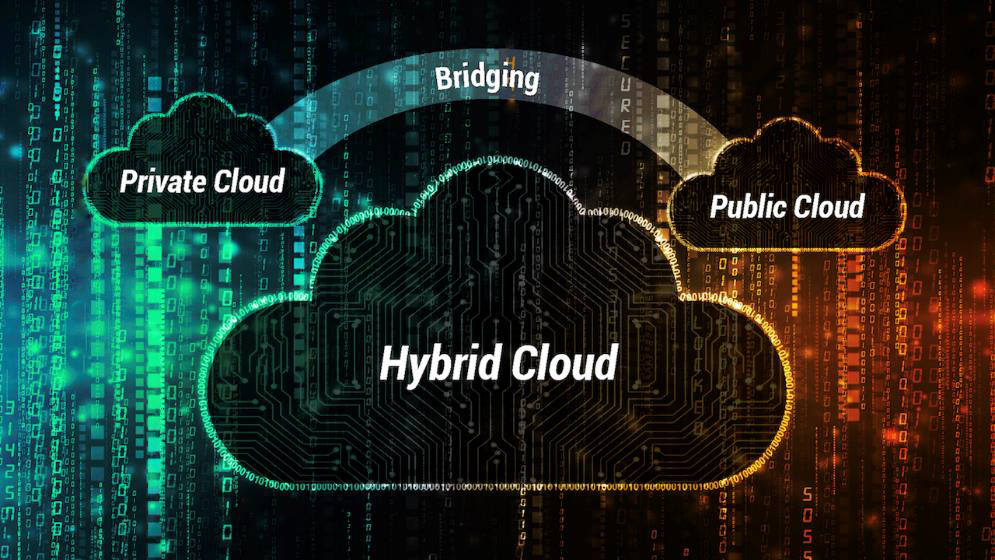
However, AI systems often integrate multiple data sources and operate across hybrid or cloud environments. Without strong security frameworks, these complex ecosystems can introduce new risks.
Why Data Security is Critical in AI-Driven Government
AI systems are only as secure as the data that powers them. For public sector organizations, weak data protection can expose sensitive information and disrupt essential services.
- Protecting Citizen Data
Government systems store highly sensitive personal data such as identity records, healthcare information, and financial details. AI platforms must ensure this data remains protected from unauthorized access
- Safeguarding Critical Infrastructure
AI increasingly supports the management of transportation systems, energy networks, and municipal infrastructure. Compromised data or models could disrupt essential public services.
- Addressing Emerging AI Threats
AI environments introduce risks such as data poisoning, adversarial attacks, and unauthorized access to training datasets. Protecting AI pipelines and models is essential.
For these reasons, governments must integrate security and governance across the entire AI lifecycle.
Key Pillars of Data Security in Public Sector AI
Successfully implementing AI in government requires a structured approach to data protection
- Strong Data Governance
Clear governance policies define how data is collected, classified, stored, and used. This ensures compliance and protects sensitive information.
- Secure Data Platforms
Modern AI solutions rely on scalable data platforms capable of processing large datasets securely through encryption, controlled access, and monitoring
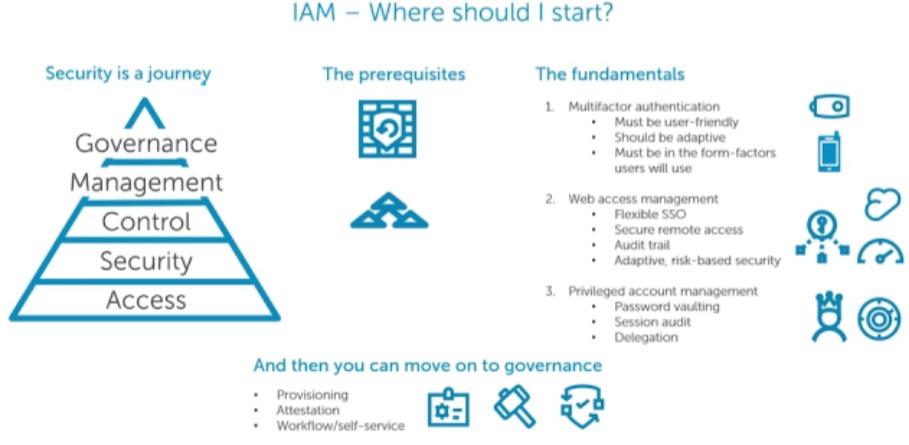
- Identity and Access Management
Strict authentication and access controls ensure that only authorized users can interact with AI models, data pipelines, and analytics systems.
- Secure AI Infrastructure
AI workloads often run on high-performance computing environments such as cloud or hybrid platforms. These environments must be protected with secure architecture and infrastructure controls.
- Continuous Monitoring
Ongoing monitoring helps detect anomalies, vulnerabilities, or unauthorized activity before it impacts operations.
Enabling Secure AI in Government
Governments around the world are investing in digital infrastructure to support AI-driven services. To succeed, these initiatives must combine innovation with strong security frameworks.
Organizations that adopt secure data architectures, responsible AI practices, and integrated cybersecurity strategies are better positioned to unlock the value of AI while protecting sensitive data.
Why choose Intertec
As governments accelerate AI adoption, securing data platforms and AI environments becomes essential. Intertec supports public sector organizations by implementing secure data platforms, AI-enabled inspection systems, and integrated cybersecurity frameworks that protect sensitive information while enabling digital transformation.
With expertise in data engineering, AI analytics, and digital government solutions, Intertec helps businesses and government institutions modernize operations, strengthen compliance, and build secure foundations for AI-driven public services.
To Wrap Up
AI has the potential to significantly enhance how governments deliver services, manage infrastructure, and make informed decisions. However, its success depends on strong data protection, governance, and cybersecurity practices.
By embedding security into every stage of the AI lifecycle, public sector organizations can unlock the benefits of intelligent systems while maintaining citizen trust and regulatory compliance.































%20(1).jpg)
.jpg)


.jpg)












.jpg)