




How Enterprise Data Leaks Happen Through GPT And Why AI Governance Is Becoming a Cloud Priority

Generative AI has quickly moved from experimentation to everyday enterprise use. Employees today are using tools like ChatGPT, Copilot, Gemini, and Claude to summarize reports, generate code, accelerate research, automate workflows, and improve productivity across departments.
What started as isolated usage is now becoming deeply embedded into enterprise operations. But as organizations accelerate AI adoption, many are also discovering a growing challenge that is often underestimated: sensitive enterprise data leaking through AI interactions.
The concern is not necessarily that GPT platforms themselves are inherently insecure. Most enterprise AI platforms today offer far stronger privacy and security controls than many organizations realize. The real issue is that enterprises are adopting AI faster than they are governing it.
Across cloud environments, employees are increasingly interacting with AI tools outside established governance frameworks, often without fully understanding where enterprise data is flowing, how prompts are retained, or what information should never be shared with public or unmanaged AI systems.
For enterprises operating across complex cloud ecosystems, this is becoming less of an isolated security issue and more of an operational governance challenge.
The Real Risk Starts Before the Prompt Reaches GPT
One of the biggest misconceptions around AI-related data leaks is that the problem begins with the AI model itself. Most enterprise exposure happens much earlier at the point where users interact with these tools.
An employee pastes internal financial forecasts into ChatGPT to create a presentation summary. A developer uploads proprietary source code to troubleshoot an issue faster. A business user shares customer records with an AI assistant to generate insights or reports.
In most cases, these actions are not malicious. They are productivity-driven decisions made in environments where AI adoption is moving faster than enterprise governance policies.
This is exactly why “Shadow AI” is becoming a growing concern across enterprises. Like the rise of shadow IT years ago, employees are increasingly using AI tools outside approved enterprise visibility, often through personal accounts or unmanaged applications.
The challenge becomes even more serious in cloud-first organizations where enterprise data already moves continuously across SaaS platforms, collaboration tools, APIs, cloud storage environments, and hybrid infrastructure. Once generative AI becomes part of these workflows, organizations can quickly lose visibility into how sensitive data is being shared, processed, or retained.
Why Cloud Environments Are Increasingly Exposed
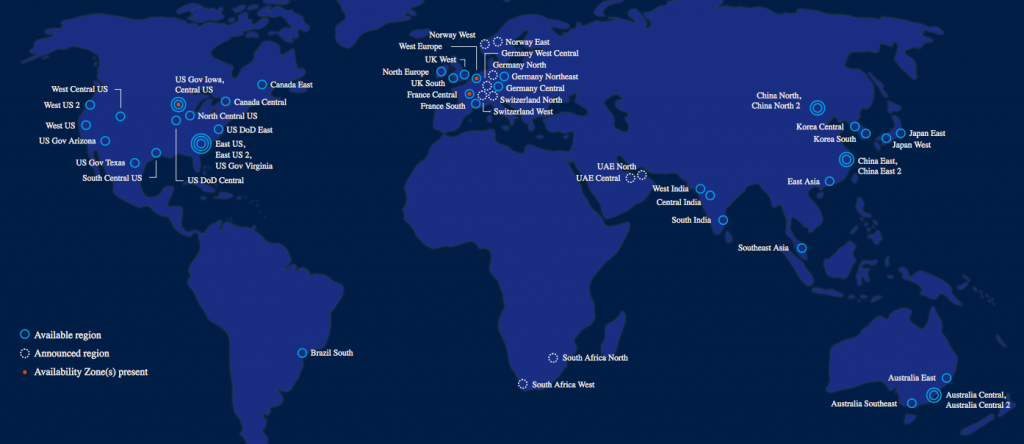
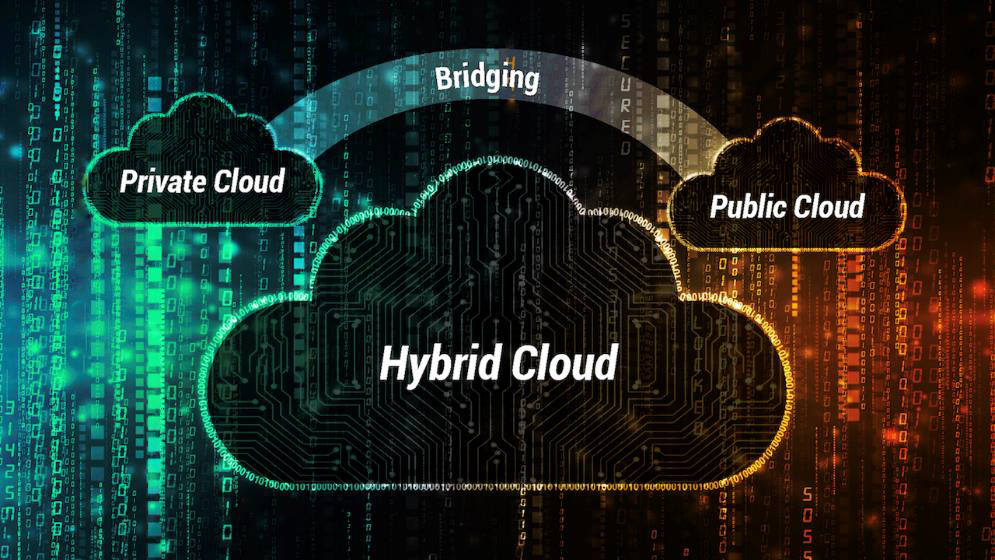
Modern enterprise environments are no longer centralized. Data today exists across multiple cloud providers, business applications, remote work environments, APIs, third-party ecosystems, and distributed operational platforms.
Generative AI introduces another operational layer into this already complex environment. AI assistants and copilots are increasingly being integrated directly into enterprise workflows, productivity platforms, development environments, and business applications.
As organizations move toward AI-enabled operations, the risk is no longer limited to employees manually pasting information into prompts. AI agents and automated workflows are beginning to interact autonomously with enterprise systems, applications, and data sources in ways many traditional governance models were never designed to monitor.
This is changing how enterprises need to think about cloud security itself. The challenge is no longer simply securing infrastructure or applications. It is about understanding how enterprise data behaves across increasingly intelligent and interconnected ecosystems.
Why Traditional Security Models Are Struggling to Keep Up
Many existing enterprise security strategies were originally built around protecting endpoints, networks, email systems, and file transfers. But generative AI is changing how data moves across the organization.
Sensitive information is now flowing through prompts, AI copilots, browser sessions, automation workflows, retrieval systems, and AI-driven integrations in ways many traditional monitoring and DLP models were never designed to track effectively.
As a result, enterprises are increasingly moving toward AI-aware governance approaches that combine cloud security, operational visibility, data governance, zero trust principles, and intelligent policy enforcement into a more connected security model.
Organizations are beginning to realize that AI security cannot operate separately from cloud governance and enterprise operational visibility. The two are now deeply interconnected.
Governance Will Define the Future of Enterprise AI
The organizations seeing the most success with AI today are not necessarily the ones deploying AI the fastest. They are the ones building governance, visibility, and operational control alongside adoption.
This requires enterprises to rethink how they approach:
- AI usage policies
- cloud governance
- data classification
- access management
- SaaS visibility
- AI workload monitoring
- enterprise-wide operational oversight
The challenge becomes even more critical in industries such as banking, healthcare, telecom, government, and other highly regulated sectors where operational continuity and compliance are tightly connected.
As enterprises continue integrating AI into cloud operations and business workflows, governance will increasingly become the defining factor between scalable AI adoption and uncontrolled operational risk.
Building a Secure Foundation for Enterprise AI
The future of enterprise AI will not be built on unrestricted AI access. It will be built on trusted, governed, and operationally secure AI ecosystems.
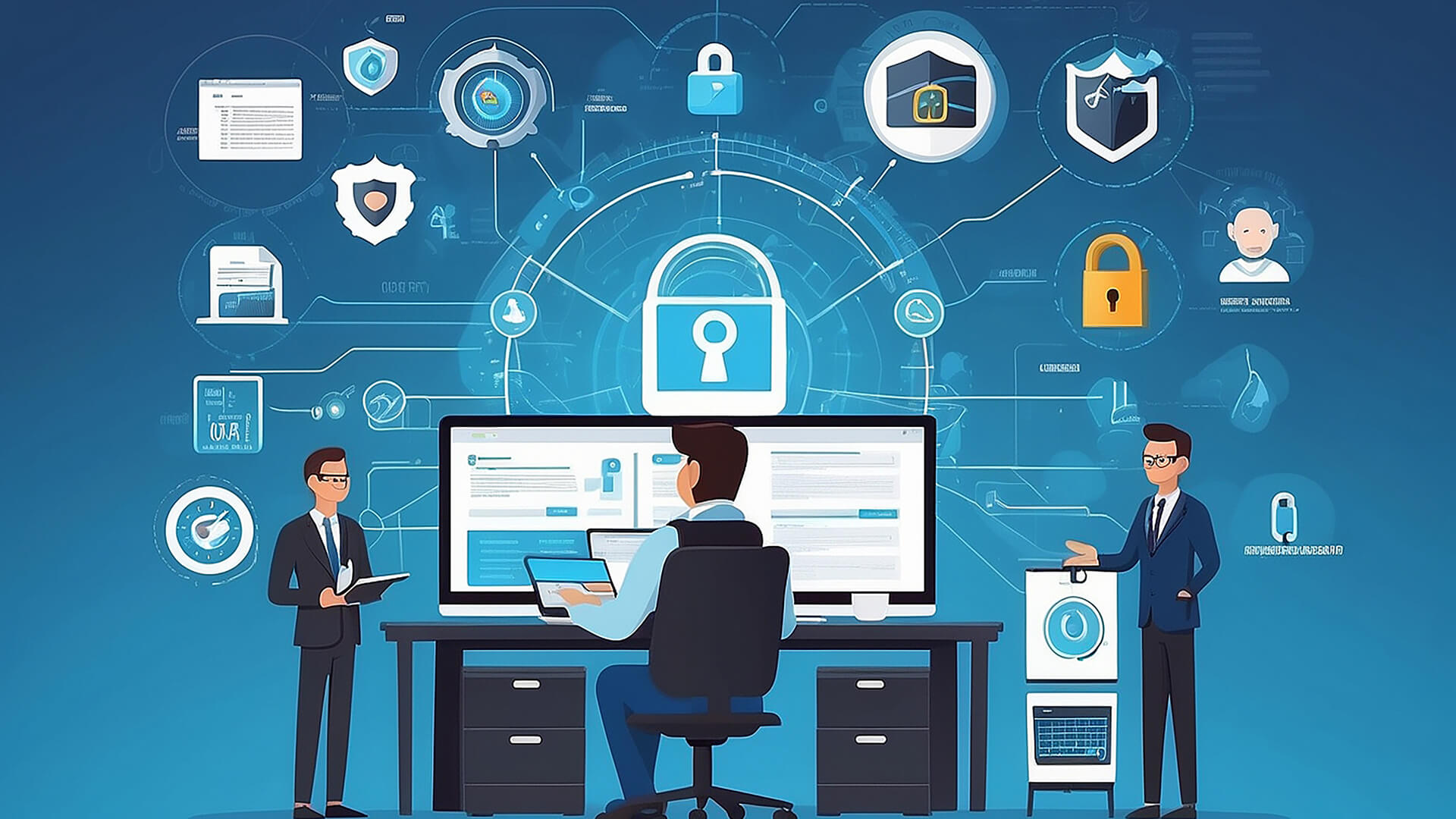
Organizations need visibility into how AI tools interact with enterprise data across cloud environments, SaaS applications, operational workflows, and connected business systems. They also need governance frameworks capable of adapting to emerging risks such as shadow AI, prompt leakage, autonomous AI workflows, and uncontrolled data movement.
This is where cloud governance, cybersecurity, and operational visibility are beginning to converge.
Intertec Systems helps organizations strengthen enterprise resilience through integrated cloud, cybersecurity, governance, and managed security capabilities designed for modern digital environments. By combining cloud modernization, security operations, data governance, and enterprise risk visibility, Intertec enables organizations to adopt AI technologies more securely while maintaining operational control across complex enterprise ecosystems.
As generative AI continues to reshape enterprise operations, the organizations that succeed will not simply be the ones using AI faster. They will be the ones governing it better.
































%20(1).jpg)
.jpg)


.jpg)











.jpg)